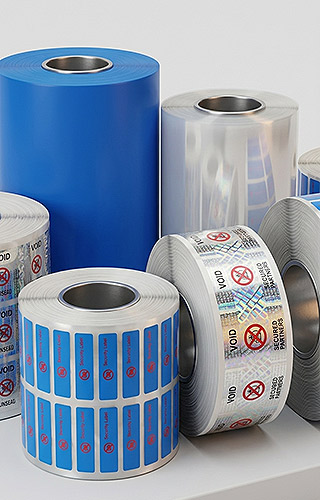


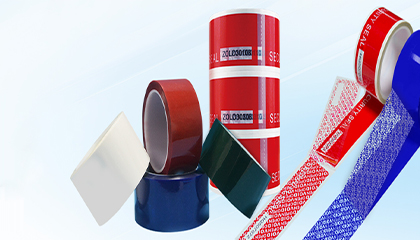
















As technical tools designed to verify whether an item has been opened—typically through single-use destruction or the creation of irreversible traces—anti-counterfeit labels and security seals have permeated every facet of modern commerce and daily life. Far from being mere stickers or adhesive tapes, they serve as a critical line of defense for brand protection, consumer rights, and supply chain security. The following outlines their primary application scenarios.
I. Electronics: Preventing Unauthorized Tampering and Ensuring Originality
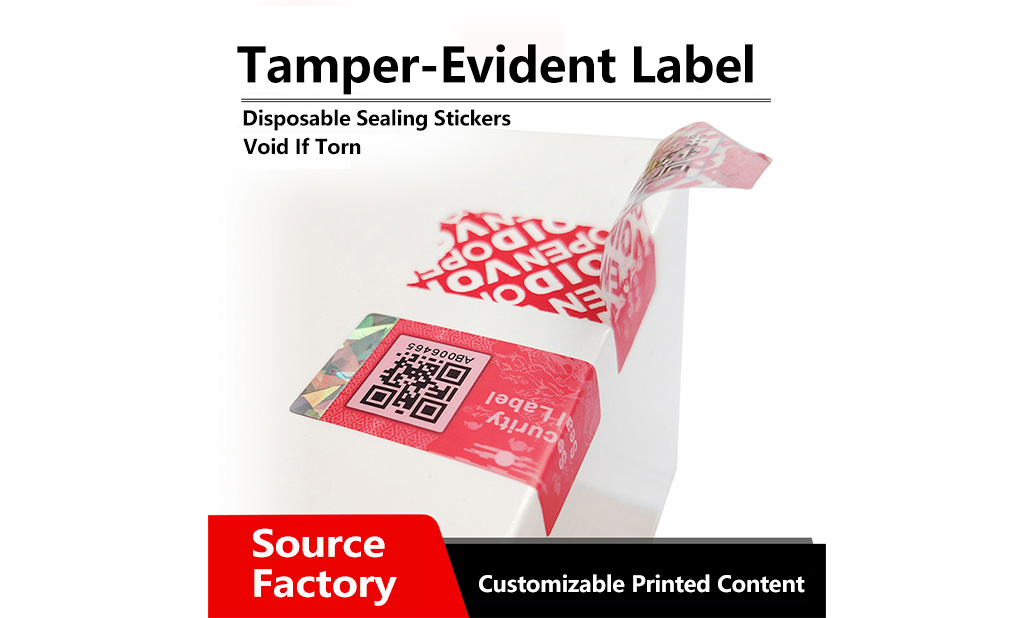
Devices such as smartphones, tablets, laptops, and game consoles frequently feature fragile anti-counterfeit labels placed over screw holes, battery compartments, and service access panels. If a user or an unauthorized repair shop attempts to open the device without permission, the label will immediately shatter and reveal the word "VOID." This not only assists manufacturers in determining whether "user-induced damage" falls within the scope of the warranty but also ensures that consumers receive original devices that have not undergone unauthorized disassembly or repair.
II. Pharmaceuticals & Healthcare: Ensuring Safety and Compliance
Packaging for medicines, prescription drug bottles, vaccine cartons, IV bags, and sealed medical device pouches commonly utilizes tamper-evident seals or destructive closures. Any unauthorized attempt to open these items leaves irreversible traces, thereby preventing counterfeit, expired, or contaminated medications from reaching patients. Furthermore, during the transport of clinical trial samples and biological agents, tamper-evident seals safeguard the integrity of the sample chain, ensuring compliance with GSP and GMP regulatory requirements.
III. Food & Beverages: Preventing Contamination and Ensuring Freshness
Premium products—such as fine spirits (e.g., *Baijiu* and wine), infant formula, dietary supplements, and bottled mineral water—often feature tamper-evident rings or destructive sealing films on their caps. Once opened, these seals cannot be restored, effectively preventing malicious tampering (such as poisoning), product refilling, or counterfeiting. For fresh and cold-chain food products, tamper-evident seals serve as proof that the packaging remained unopened during transit, thereby guaranteeing food safety.
IV. Logistics & Express Delivery: Preventing Theft and Assigning Liability
During the express delivery of high-value small items (such as jewelry, mobile phones, product samples, contracts, and invoices), tamper-evident seals or multi-layer composite tamper-proof bags are frequently employed. Recipients are advised to inspect the integrity of the seal before signing for the package; if the word "VOID" is visible, they may refuse to accept the delivery on the spot. This practice clearly delineates the responsibilities between the logistics provider and the consumer, significantly reducing disputes regarding "product swapping" and streamlining the claims settlement process.

V. Finance and Law: Preventing Leaks and Safeguarding Evidence
Bank cash transfer bags, ATM cash replenishment bags, coin bags, and check bags all utilize single-use, tamper-evident seals to prevent the illicit substitution of internal cash. In the legal sector, court evidence bags, ballot bags, and confidential document bags employ tamper-resistant closures to ensure the integrity of the chain of custody and uphold judicial fairness. When enterprises dispatch tender documents, commercial contracts, or bills of exchange, anti-counterfeit seals serve to prevent information leakage or content alteration.
VI. Retail and E-commerce: Preventing Return Fraud
E-commerce return items are frequently subject to malicious swapping—consumers purchase genuine products but return counterfeit or used items, falsely claiming they remain "unopened." By utilizing return bags or seals featuring unique serial numbers or tamper-evident structures—which leave visible traces immediately upon opening—merchants can effectively reject fraudulent returns, thereby saving platforms substantial financial losses each year.
VII. Automotive and Industrial Components: Ensuring Authenticity and Preventing Channel Diversion
Anti-counterfeit seals are affixed to the packaging of automotive spare parts (such as filters, sensors, and airbags) and core industrial equipment components. When combined with QR code-based traceability systems, these measures prevent aftermarket parts from being passed off as original equipment manufacturer (OEM) parts while simultaneously monitoring distribution channels to detect and prevent unauthorized product diversion.
From the production line to the hands of the consumer, anti-counterfeit labels and seals act as "silent guardians." At a remarkably low cost, they install "alarms" at every potential point of tampering, ensuring that unauthorized access leaves an undeniable trace. For any enterprise that values its brand reputation, product quality, and user experience, selecting the appropriate anti-counterfeit sealing solution has become an indispensable element of effective supply chain management.