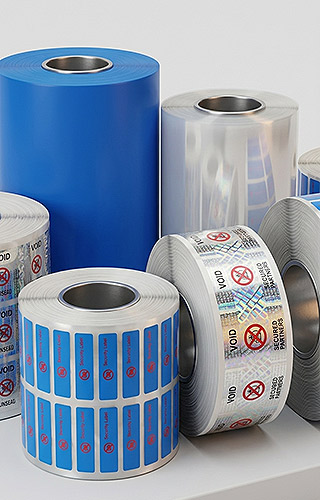


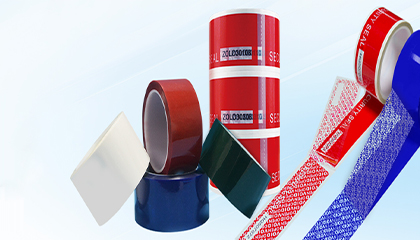















The current tamper-evident label market is plagued by severe homogenization. A vast number of so-called anti-counterfeit technologies are merely superficial – flashy designs, QR codes for scanning – yet in reality, they are easy to replicate, copy, and demand very low technical barriers. Brands invest significant costs but still face rampant counterfeiting, cross‑region diversion (parallel imports), and damaged brand reputation. Why? Because most anti-counterfeit measures are just "going through the motions" – failing to build a truly unreplicable, hardcore security system from the ground up.
ZOLO has long recognized this industry reality. We refuse to follow the race to the bottom, and we are not satisfied with merely "surface‑level tamper evidence." Instead, we are committed to genuine tamper evidence and hardcore anti-counterfeiting.
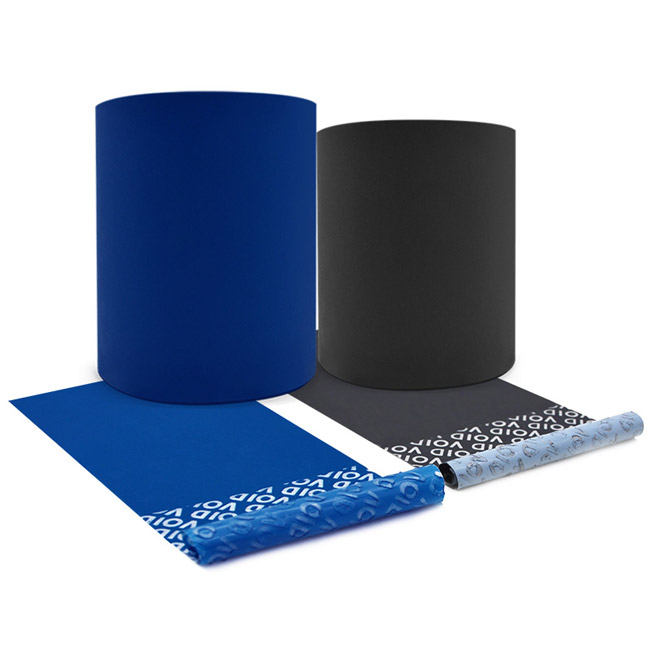
Building the First Line of Defense from the Material Level
The foundation of tamper evidence lies in the material itself. ZOLO invests heavily in R&D, focusing on high‑difficulty physical destruction anti‑counterfeit materials. Whether it's full‑transfer VOID materials, partial‑transfer adhesive tapes, non‑transfer solutions, or fragile paper tamper evidence, our materials undergo precision adhesive engineering and multi‑layer composite design. Once the label is peeled off, the preset anti‑counterfeit information is irreversibly transferred or damaged – impossible to restore or reuse. This "one‑time" physical property makes counterfeiting impossible from the very start.
Top‑Tier Printing Processes as the Second Layer of Protection
Materials are the skeleton; the printing process is the skin. ZOLO spares no effort in achieving top‑tier surface printing. Die‑cutting, foil stamping, lamination, variable data encoding – every step pursues extreme precision and aesthetics. The complexity of the printing itself becomes a security barrier: fine textures, spot color matching, and micro‑text that ordinary printing houses cannot replicate make each label not only visually striking but also an artwork that is extremely difficult to forge.
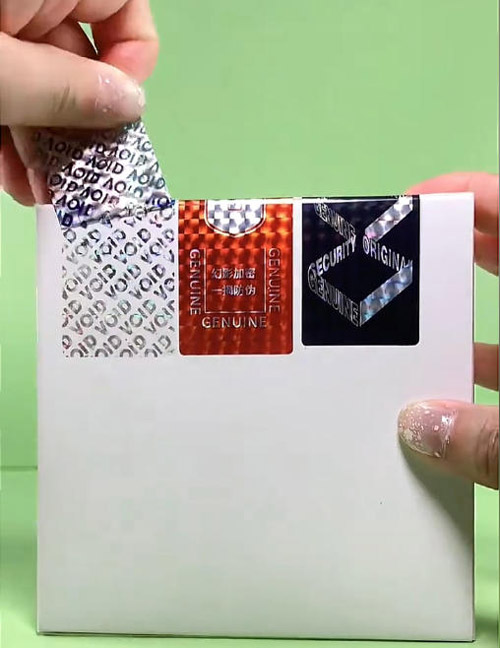
On this foundation, ZOLO extends the tamper‑evidence dimension from physical destruction into the optical and chemical fields. Holographic laser anti‑counterfeiting uses 2D/3D optically variable patterns that display dynamic colors and three‑dimensional effects under light – instantly recognizable and nearly impossible to duplicate. Water‑sensitive color‑changing anti‑counterfeiting, based on special water‑reactive materials, undergoes an irreversible color change (e.g., turning blue or red) upon contact with water, giving an immediate visual indication of whether a product has been exposed to moisture or illegally opened. Thermochromic anti‑counterfeiting uses heat‑sensitive materials that reveal hidden marks at body temperature or specific temperature ranges, returning to their original state when cooled, providing consumers with an instant, tool‑free verification method. From physical destruction to optical brilliance and chemical sensing – ZOLO has built a multi‑layered anti‑counterfeit moat.
Traceability & Encryption: Building a Multi‑Level Anti‑Counterfeit Ecosystem
Combining physical anti‑counterfeiting with digital traceability is the true meaning of "genuine anti‑counterfeiting." ZOLO integrates traceable, tamper‑evident processes into every label: a backend database with a unique code for each product, custom‑designed textures, proprietary encryption algorithms. Consumers scan a QR code to verify authenticity, while brands can track product flow in real time, completely cutting off the chains of cross‑region diversion and counterfeiting.
At the same time, we have not stopped at the simple combination of physical and digital measures. Holographic laser anti‑counterfeiting gives each label an optical‑level unique identity. Water‑sensitive and thermochromic features provide a chemical‑interactive verification experience. Together, these technologies form a four‑dimensional anti‑counterfeit matrix: physical destruction + visible optical features + chemical sensing + digital traceability, leaving counterfeiters no point of entry. ZOLO is committed to comprehensively upgrading tamper‑evidence standards – from the base material to the surface finish, from naked‑eye recognition to instrument detection – truly achieving the highest level of security: unreplicable and impossible to mass‑produce counterfeit.
Staying True to Our Mission: Making Labels Means Protecting Trust
ZOLO has always believed: making labels is not about creating a nice look – it's about helping brands protect their reputation, safeguard their markets, and eliminate counterfeiting. We reject superficial approaches. We build defenses across multiple levels: materials, processes, textures, traceability, and encryption. Today, we have achieved a level of anti‑counterfeiting that is extremely difficult to replicate – a standard that ordinary people and ordinary printing factories cannot copy.
Over the next three to five years, ZOLO will continue to invest in R&D, focusing on four strategic directions:
●Proprietary encryption algorithms
●Custom‑designed textures
●Bottom‑layer traceability with unique codes for every product
●In‑house development of specialty anti‑counterfeit materials
Our goal is clear and resolute: to build a top‑tier tamper‑evidence system that is truly unreplicable, impossible to mass‑produce, and without any second set of replicable solutions – breaking the industry's low‑end race to the bottom and setting a new industry standard of genuine security, high barriers, and unforgeability.